Power without burning.
Fuel cells combine fuel and air in an electrochemical reaction to make electricity. Natural gas supplies the fuel, without being burned.

A new chapter for a place that helped power America.
Built around connection. Grounded in community.
Whether you’re a neighbor, a local business owner or simply interested in Newport Twp.’s future, there’s a place for your questions in this conversation.
Contact details will be posted here soon. In the meantime, explore our answers to common questions about the project.
Read the questions & answersNewport Township mined the coal that helped power an industrial America.
For more than a century, the ground along the Susquehanna fed the region's furnaces, rail yards and power plants. When the mines closed, much of that land sat idle.
We're proposing to put about 1,386 acres of it back to work as a data center campus, with a planned power supply combining utility-grid electricity and on-site fuel cells.
The project would bring construction jobs during the build and permanent jobs once it's running.
A future built hereThe project’s power supply is planned to combine utility-grid electricity with on-site, non-combustion natural gas fuel cells. Fuel cells will supply a portion of the data center’s electricity, helping reduce demand on the regional grid.
This approach is being developed in support of Governor Shapiro’s GRID requirements, with a focus on responsible energy supply and protecting local electricity customers.
It’s planned on land that has already been mined and quarried, putting previously used industrial property back into productive use rather than developing untouched forests or farmland.

We’re partnering with FuelCell Energy, an American company that designs and manufactures fuel cell systems for continuous, on-site power. Its technology will support the fuel cell portion of Newport Twp.’s planned energy supply, working alongside utility-grid electricity.
Meet FuelCell EnergyFuel cells combine fuel and air in an electrochemical reaction to make electricity. Natural gas supplies the fuel, without being burned.
With no engine and few moving parts, fuel cells run quietly.
Without combustion, fuel cells produce virtually none of the smog-forming pollutants that come from burning fuel.
FuelCell Energy’s systems are designed to provide electricity around the clock, right where it’s needed.
The opportunity reaches beyond a building. It includes the people who build it, the businesses that support it, and the community around it.
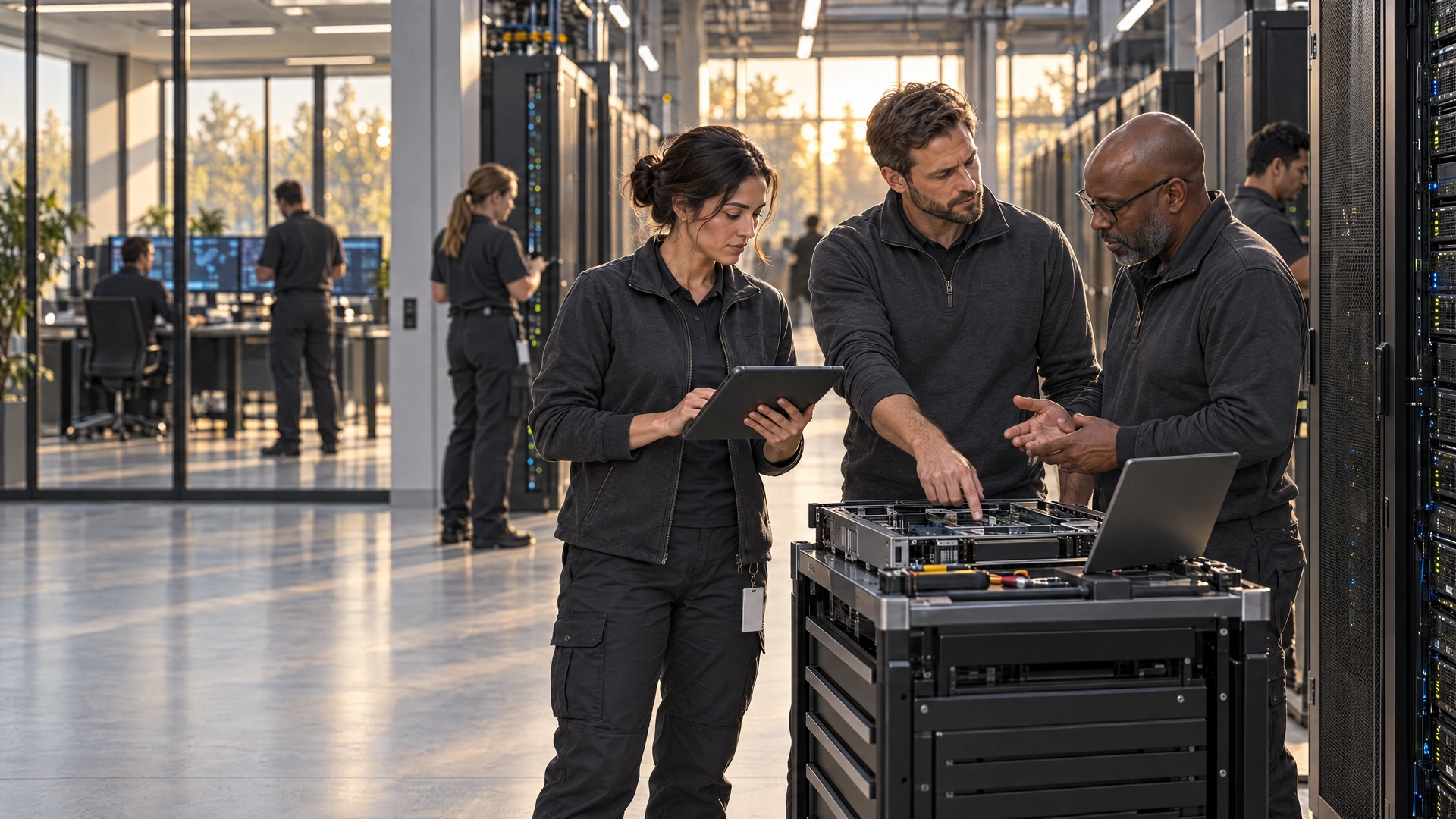
From construction and electrical trades to cooling, technology and ongoing maintenance, data centers bring together people with practical skills.
Building and operating a facility creates demand for contractors, suppliers and services. That opens opportunities for businesses across the region.
New development can strengthen the local tax base and help support the services residents rely on. The goal is lasting value for Newport Twp.
Short answers on power, water, infrastructure and oversight. Explore what’s planned for Newport Twp.
This will not increase power costs to local residents.
All required grid upgrades are paid for by the project, not Newport Twp. or residents.
Yes, but water use is limited and carefully controlled, primarily for cooling.
The facility uses on-site water storage and is designed not to place stress on local water supplies. Water use is regulated, monitored and capped by permits, with corrective action required if limits are exceeded.
Yes. The facility is designed from the outset to support cloud computing and 24/7 operations.
The project would create construction jobs during the build and permanent jobs once the campus is operating. Work would span electrical and mechanical trades, facility operations, maintenance, security and technology. Construction and ongoing operations would also create opportunities for local contractors, suppliers and service businesses.
Water and energy use are tracked through utility providers and regulators, and governed by permits and service agreements.
If water or energy use exceeds approved limits, corrective action is required under existing regulatory frameworks.
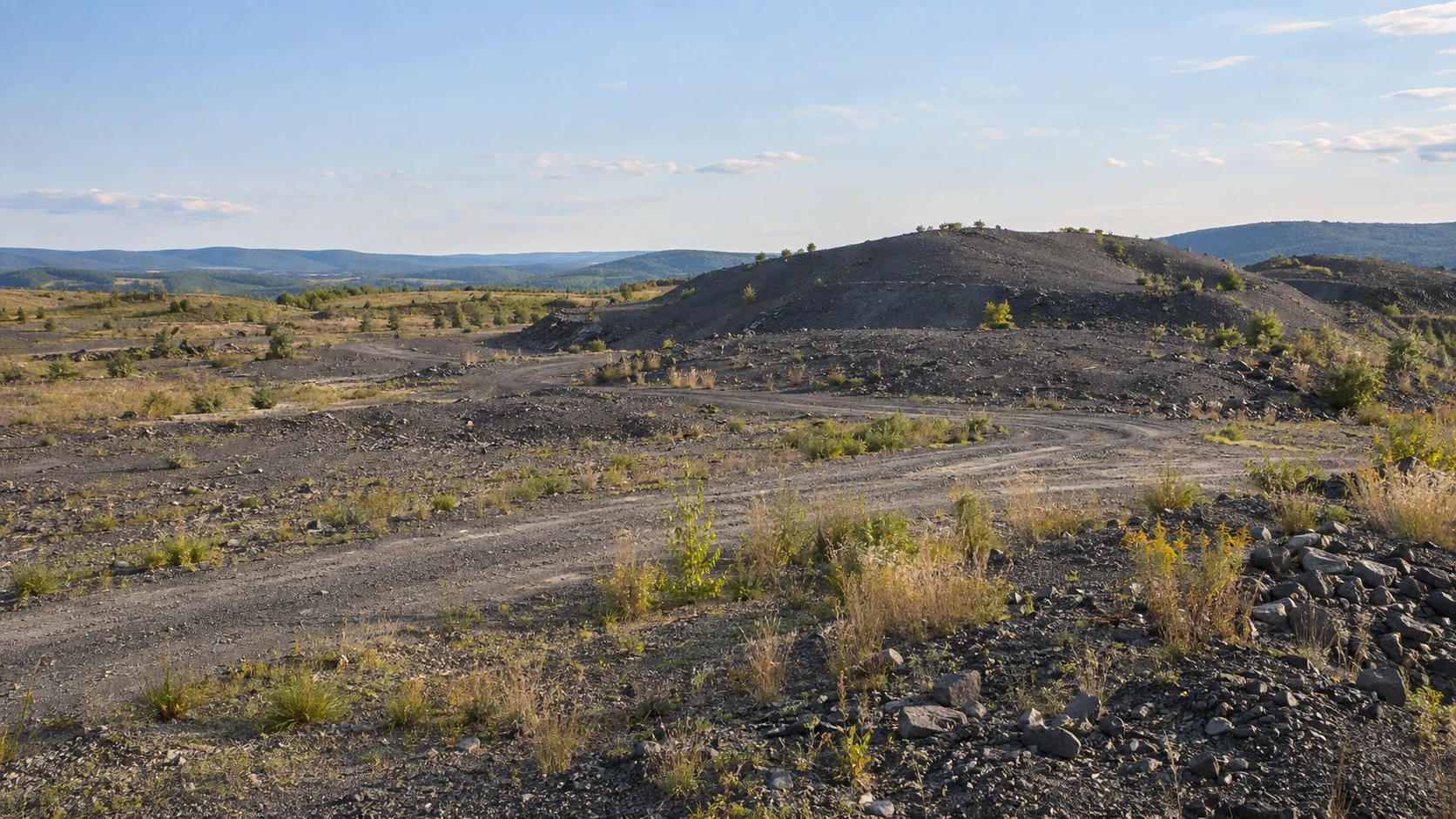
From Glen Lyon and Lee to Alden, Wanamie and Ridgeview/Sheatown, this is a place with its own identity. Its future should make room for opportunity and the everyday things people value.
Stay connected to the project